Reliable first choices
Best Starter Plants for Florida
Keep the first plant list useful, forgiving, and realistic before the yard turns into a collection project.
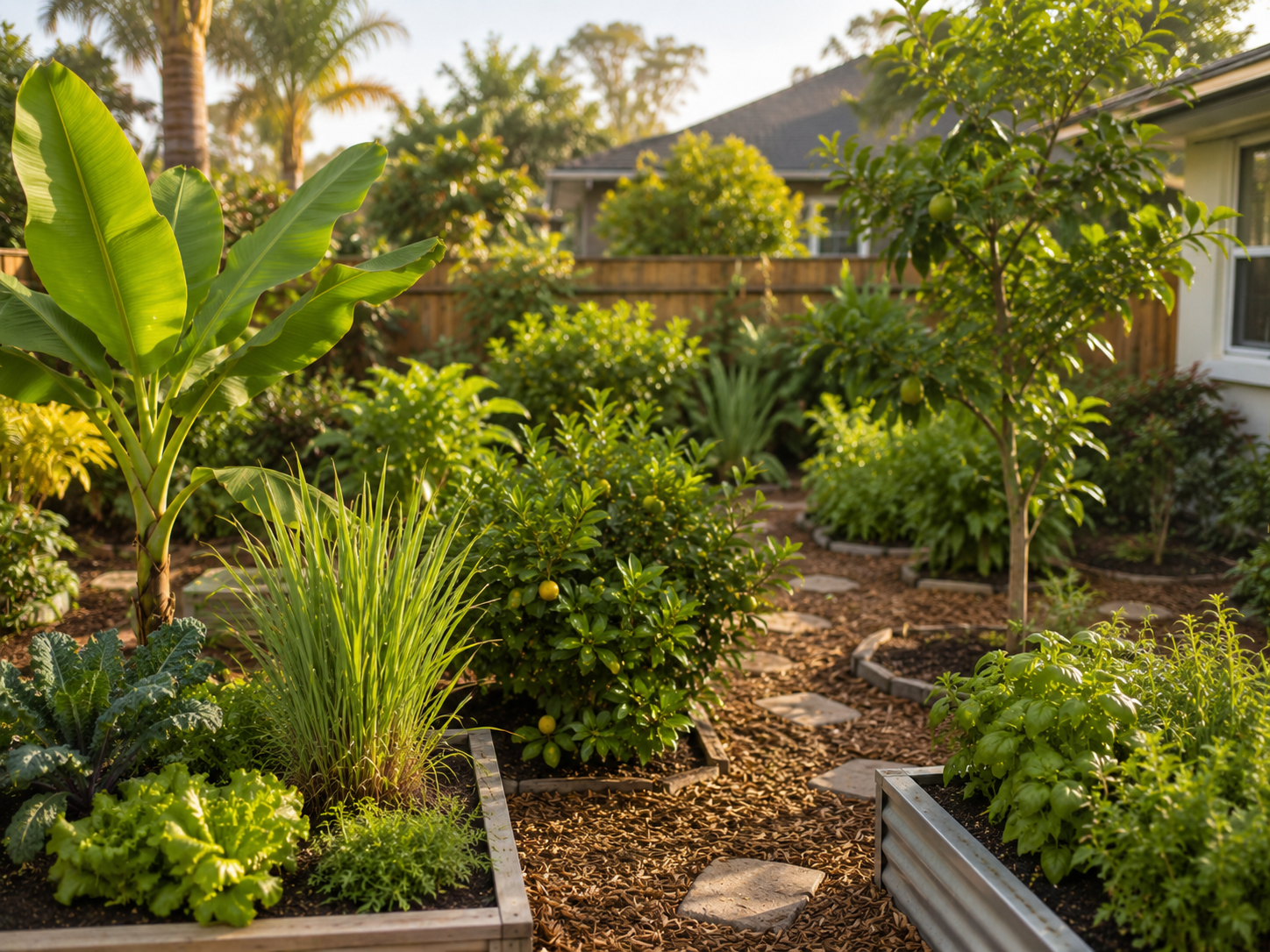
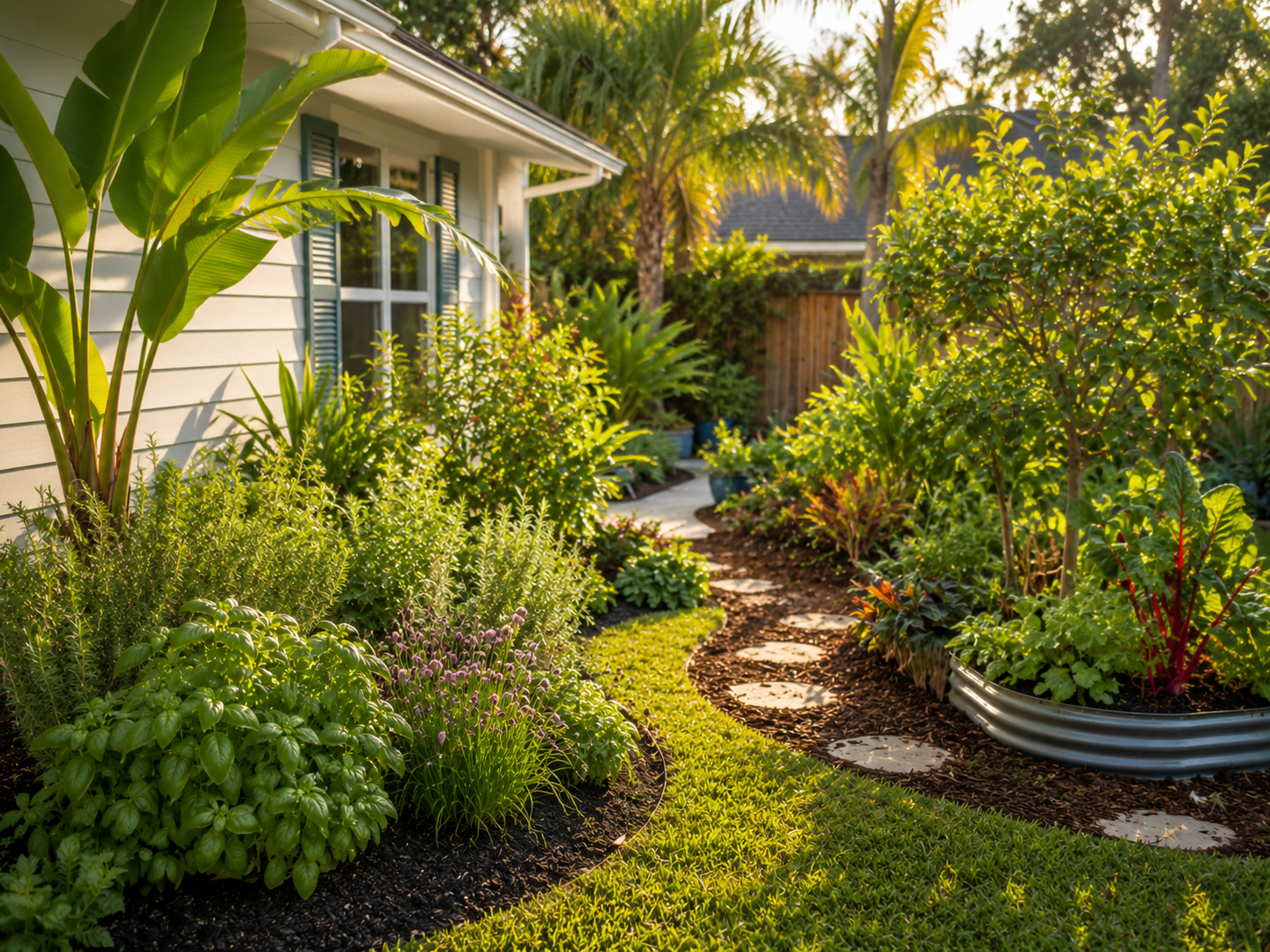
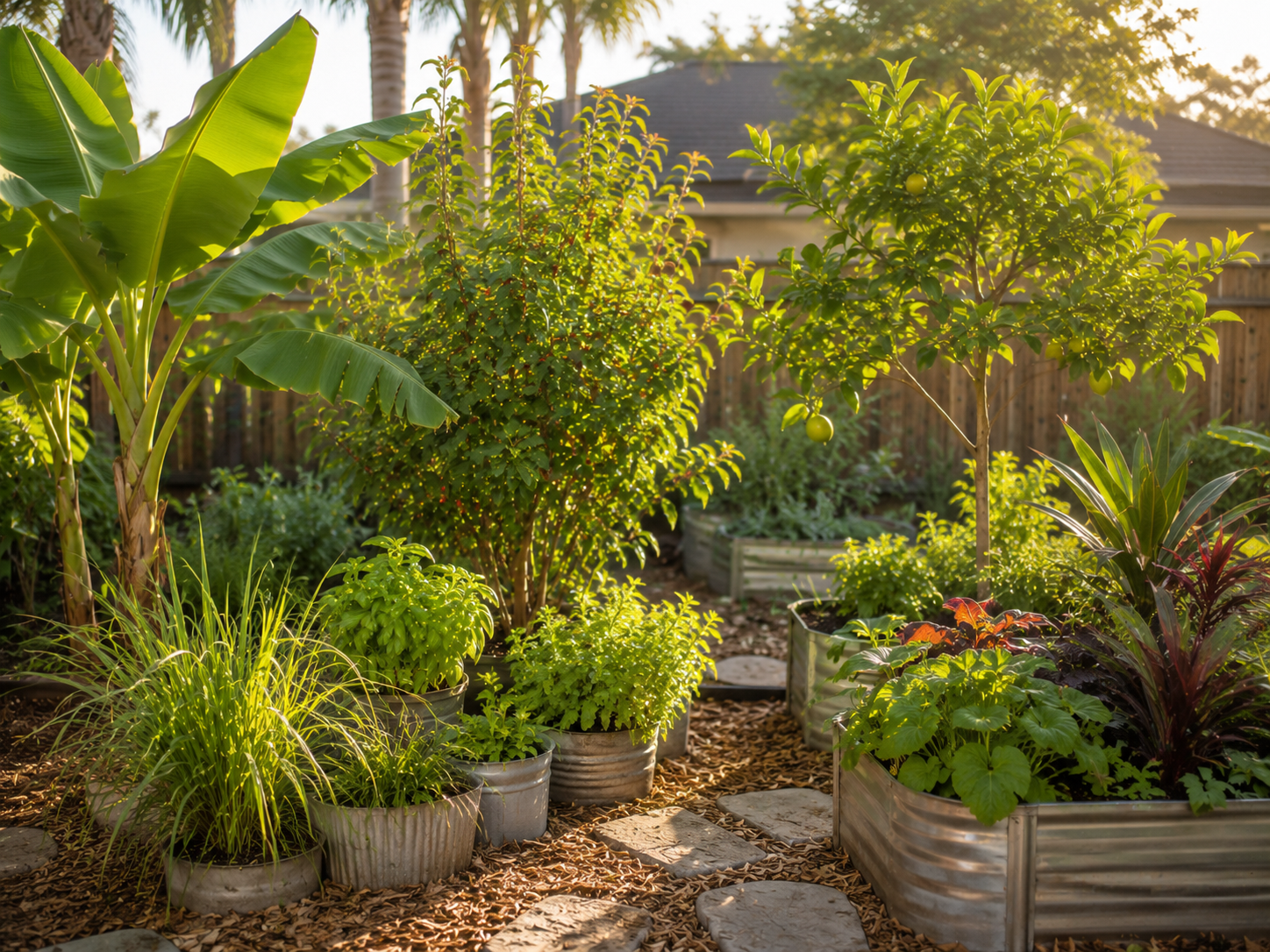
Starter roles
Read the list by yard role, not novelty
Banana, loquat, mango
Use these when you need the yard to start taking shape.
Pigeon pea and lemongrass
Use these for fast growth, biomass, edges, and forgiving first wins.
Sweet potato
Use this where living cover and useful production make sense.
If you are starting from scratch, do not begin with rare tropicals.
Start with plants that:
- Tolerate Florida heat and humidity
- Recover from wind and occasional cold
- Respond well to mulch
- Produce reliably
Build confidence first. Expand later.
Beginner's Guide to Tropical Edibles in Florida
A more structured beginner path built around the same restrained plant-selection logic used on this page.
1. Banana
Fast growth. Immediate feedback. Forgiving.
- Thrives in heat
- Recovers from storm damage
- Produces quickly with water + mulch
2. Loquat
Underrated and resilient.
- Evergreen structure
- Early-season fruit
- Cold-tolerant compared to mango
3. Pigeon Pea
Not permanent — but powerful.
- Nitrogen fixer
- Biomass source
- Supports young trees
4. Mango (Protected Zones)
High reward, but manage airflow and drainage.
- Needs sun
- Needs structure pruning
- Best in warm microclimates
5. Sweet Potato
Living mulch with food value.
- Soil coverage
- Weed suppression
- Summer vigor
(Contain it. Don’t let it climb trunks.)
6. Lemongrass
One of the easiest ways to make an edible yard look tidy.
- clean border structure
- handles Florida heat well
- easy to divide and expand
Starter Expansion Plants
Once the core is working, a second wave might include:
- Standard Ginger for a kitchen rhizome bed
- Turmeric for partial-shade production
- Cranberry Hibiscus for edible color and soft screening
These are easier to appreciate after your mulch, watering, and bed layout habits are already established.
Florida Native Starting Points
If you want to blend native plants into the yard early, start with plants that add structure rather than trying to force the whole layout native-first.
Good first native directions include:
- American Beautyberry for a softer native shrub
- Coontie for durable front-of-bed structure
- Muhly Grass for repeated border rhythm
These are especially helpful when you want the yard to feel more rooted in Florida without losing the edible focus.
For the broader native mix, read Florida Native Plants for Real Yards.
Keep the First Purchases Aligned With the Plant List
This page works best when it stays focused on the plant roles themselves.
Use the supply pages for tools and materials, and use the individual plant pages when you want a live plant-source example that actually matches the plant being discussed.
Simple Starter Layout
If you planted only:
- 1 Banana mat
- 1 Loquat
- 2 Pigeon Pea
- Sweet potato as groundcover
- Lemongrass defining the edge
You would already have a functioning micro food forest with clearer visual structure.
Complexity can wait.
Related Guides
What to Buy First, Without Overdoing It
Once the plant list is restrained, most beginners only need a short support list.