Florida edible yards, without the sprawl
Tropicaire Homestead
Build a useful Florida edible yard with a few strong pillars: food forests, edible landscaping, Zone 9–11 strategy, practical starter moves, and plant field guides that stay grounded in real yard constraints.
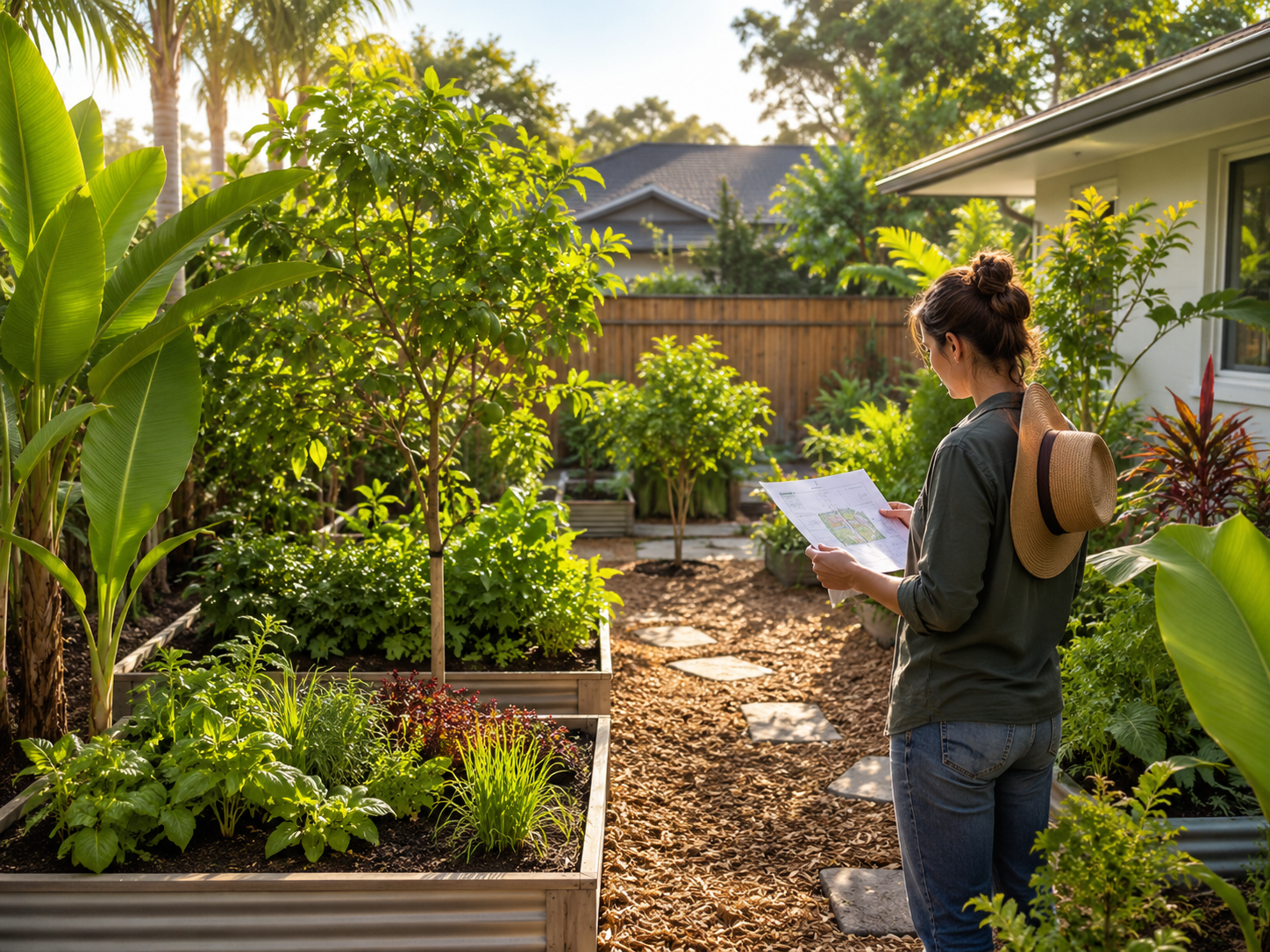
Beginner's Guide to Tropical Edibles in Florida
Tropicaire Homestead presents a practical starting guide for readers who want a small, useful tropical edible setup before they branch into the full site.
Choose the yard problem
Start with the lane that matches your real decision
Each card points to a reusable part of the Tropicaire system instead of sending you into a random plant list.
Learning path
Use this when you want the simplest route through the site before choosing plants.
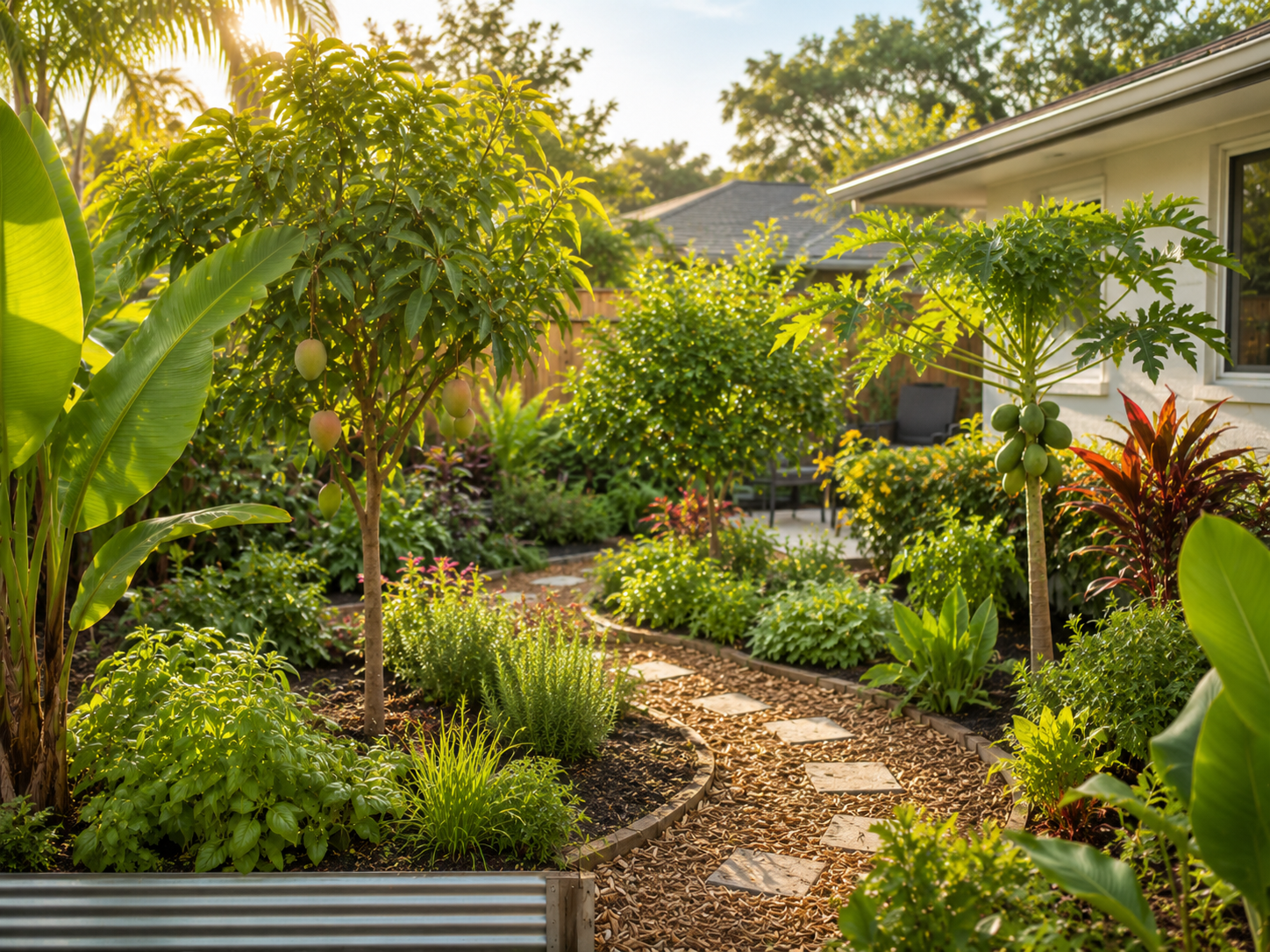
Layered edible systems
Build in roles, spacing, airflow, mulch, and recovery instead of collecting plants at random.
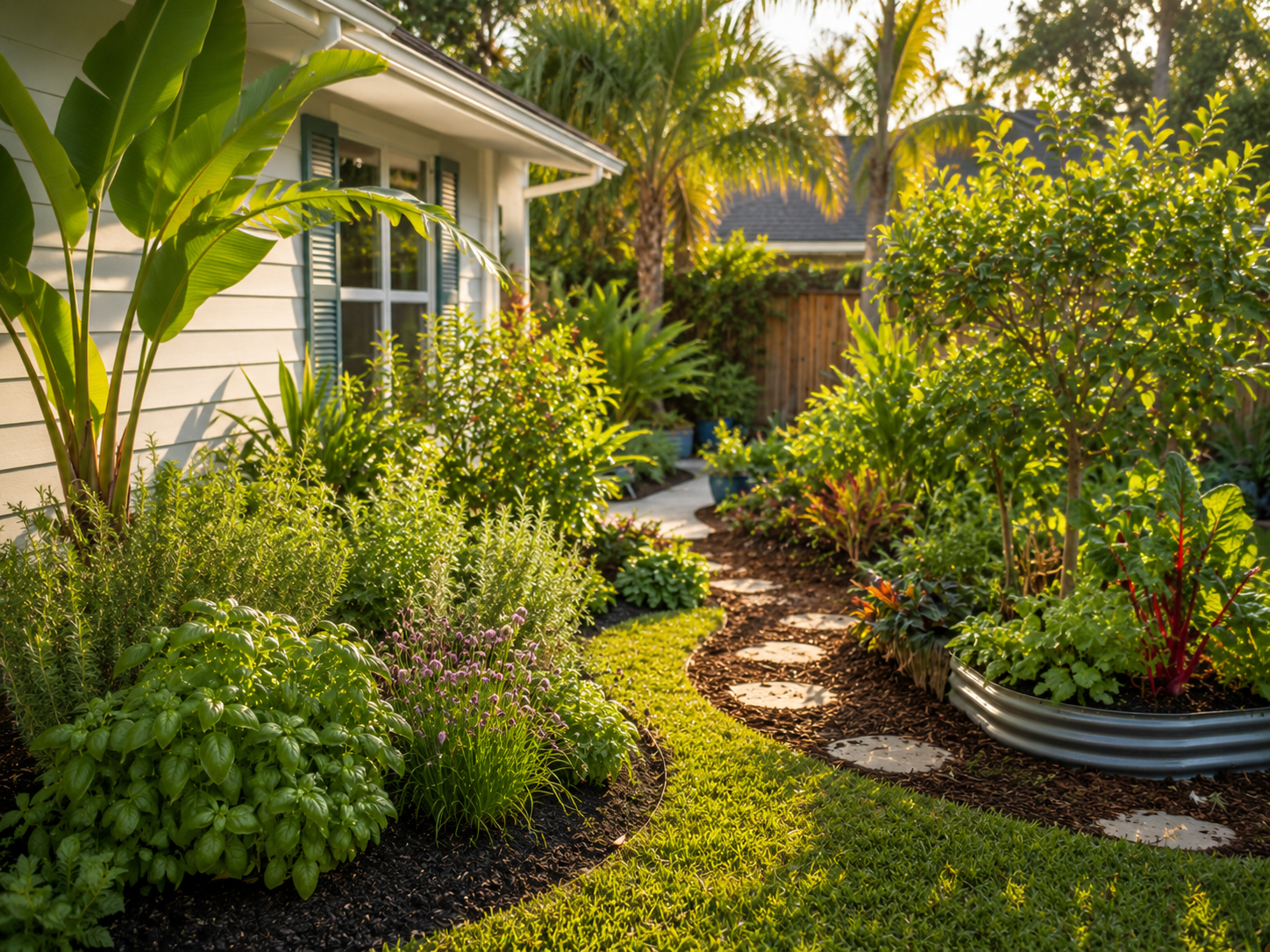
Productive but legible yards
Make a Florida yard useful without letting the front view or daily maintenance get chaotic.
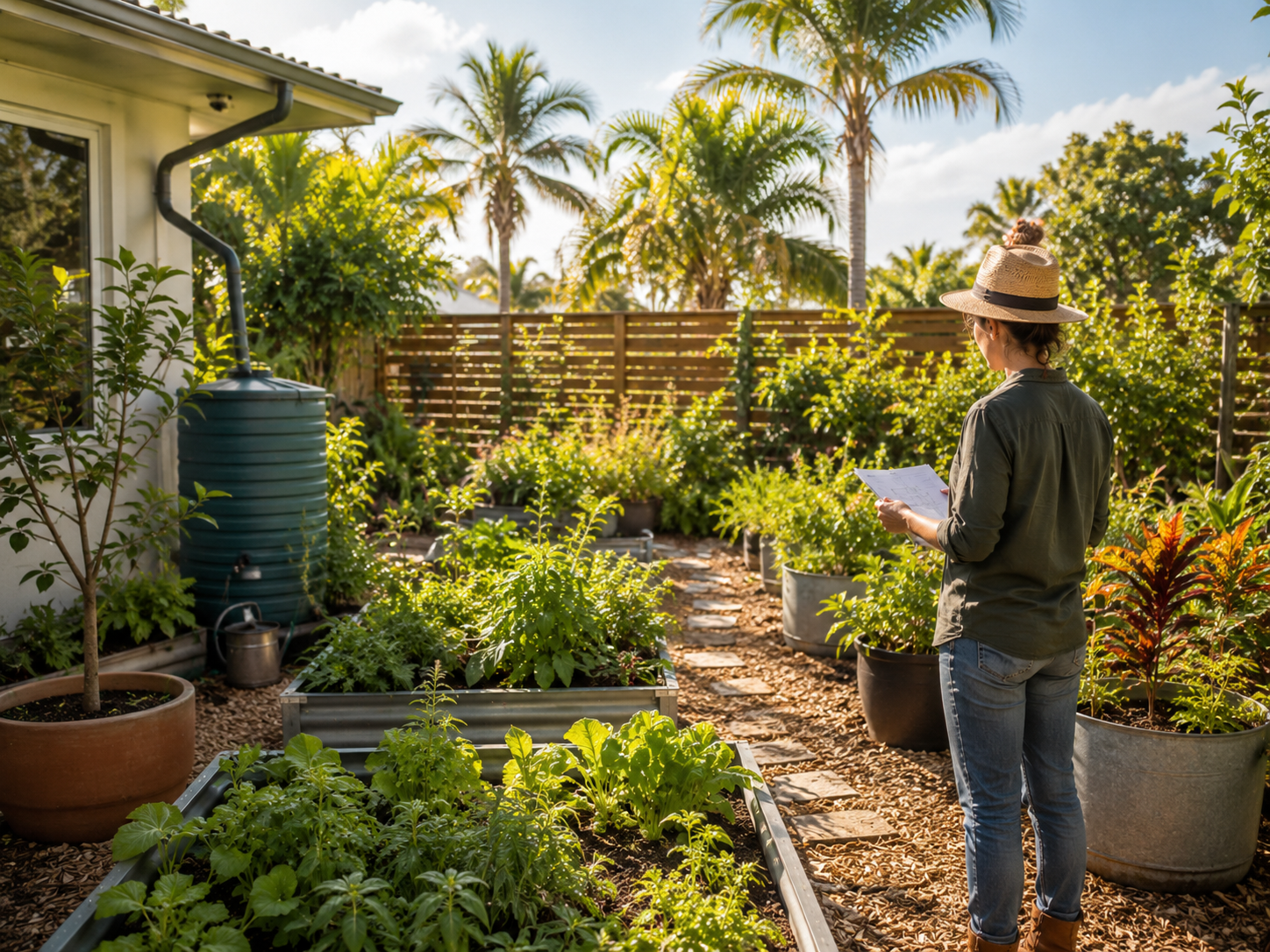
Florida reality check
Think clearly about cold, sand, drainage, wind, humidity, and realistic plant choices.
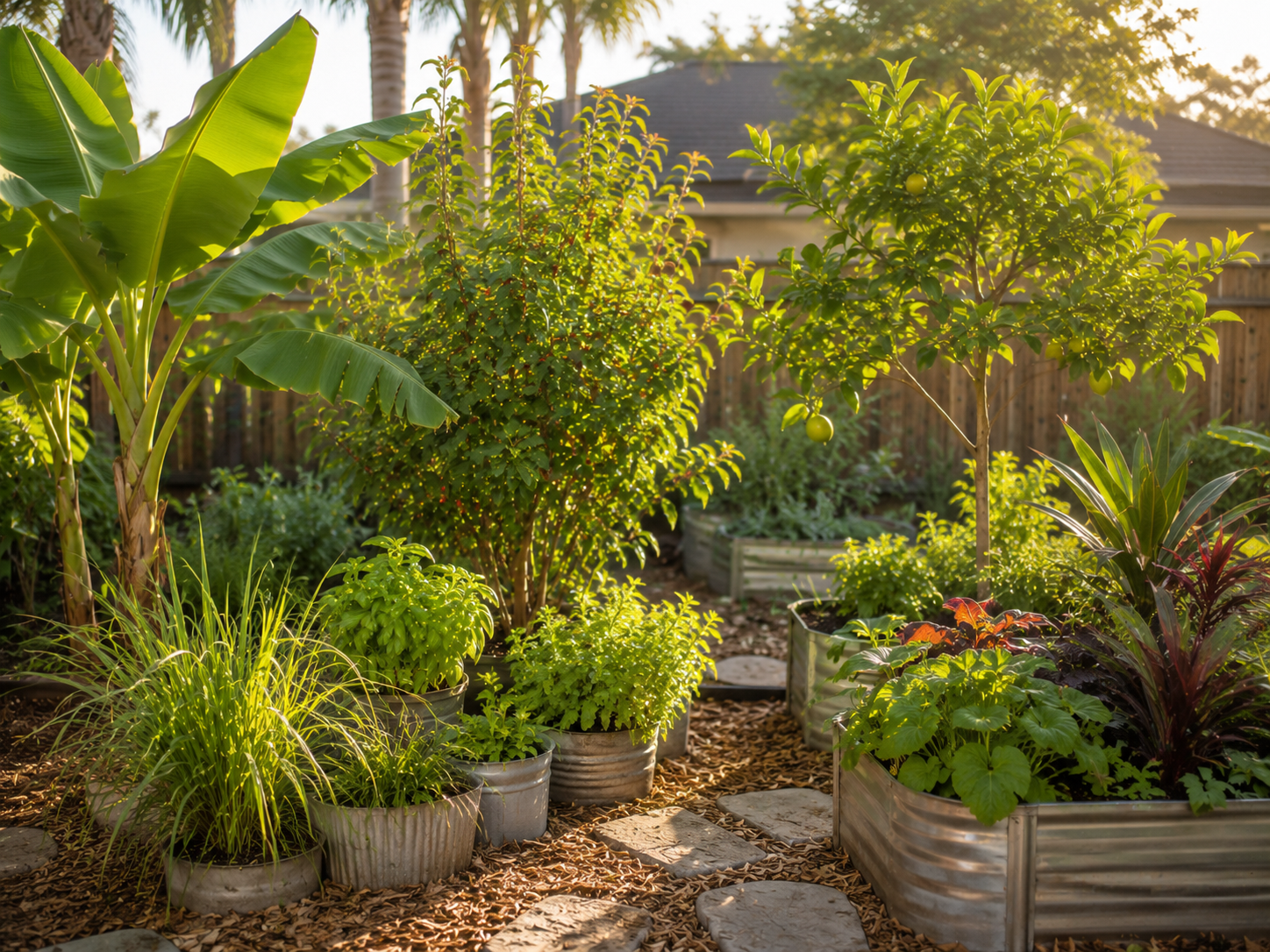
Compare actual plants
Use profiles after you understand the larger yard role each plant needs to serve.
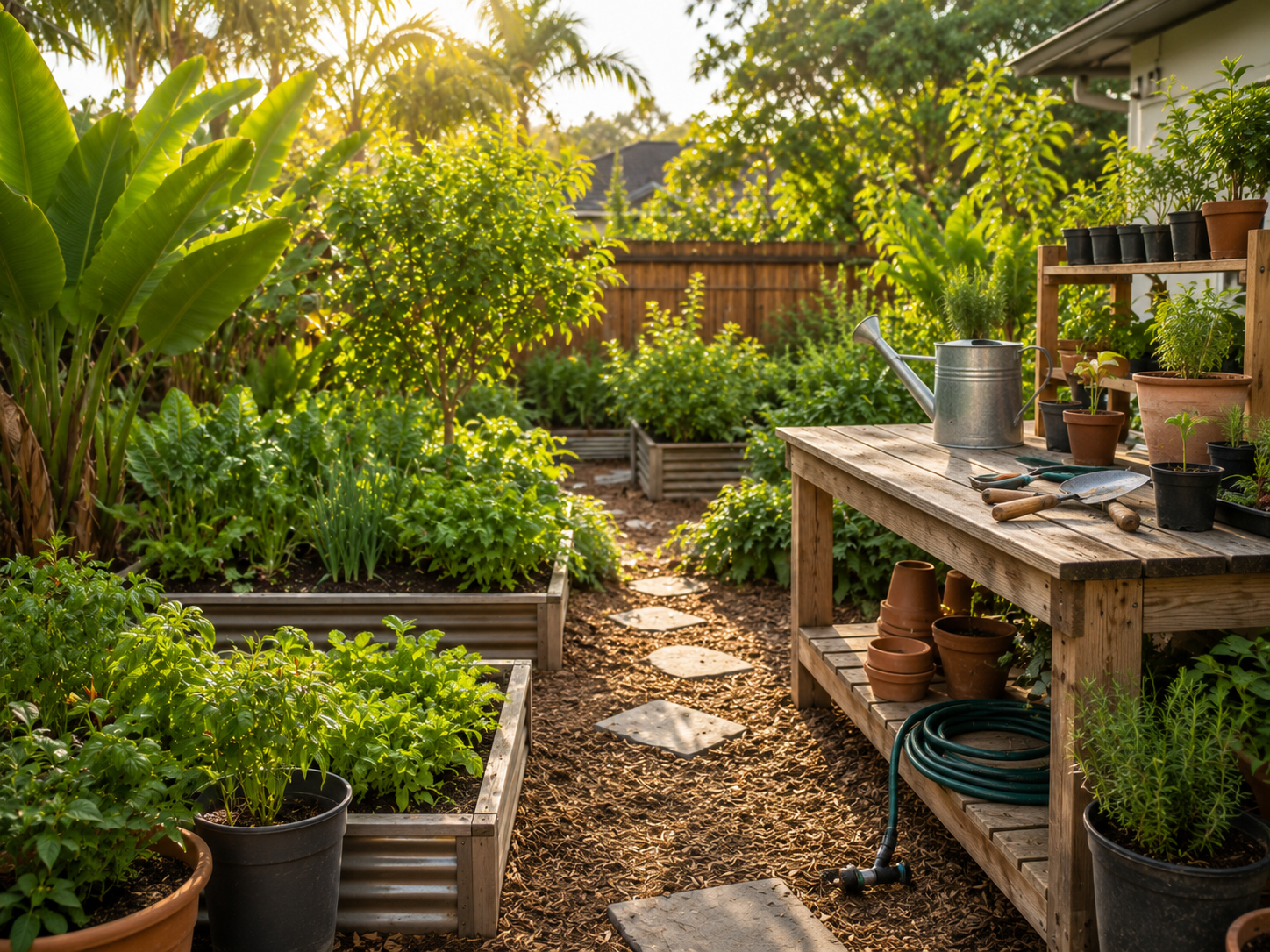
Answer the blockers
Use short guides for supplies, layouts, sand soil, freeze risk, and first-month momentum.
Decision first
Start with the question you actually have
Use the site by matching the page to the decision in front of you, not by browsing every plant profile first.
Start with a clean learning route
Use the hub and the overwhelm page before choosing plants or supplies.
Make the first version legible
Start with layout, first-month work, and soil strategy before expanding.
Check the practical blockers
Use these when you need direct answers before buying plants or materials.
Three good starts
Pick the path that matches your current energy
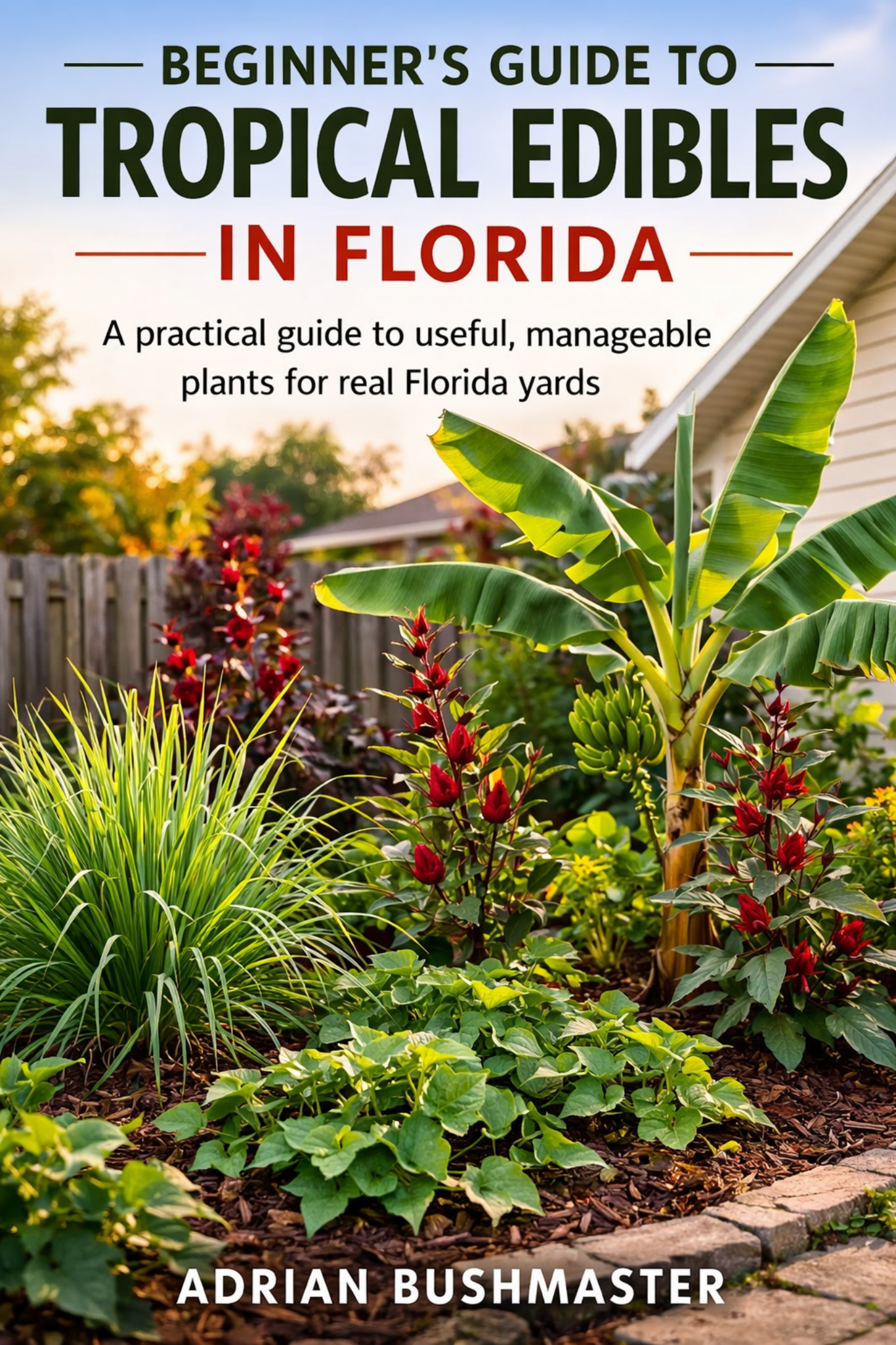
Beginner's Guide
Use this if you want one linear starting point instead of assembling the path yourself.
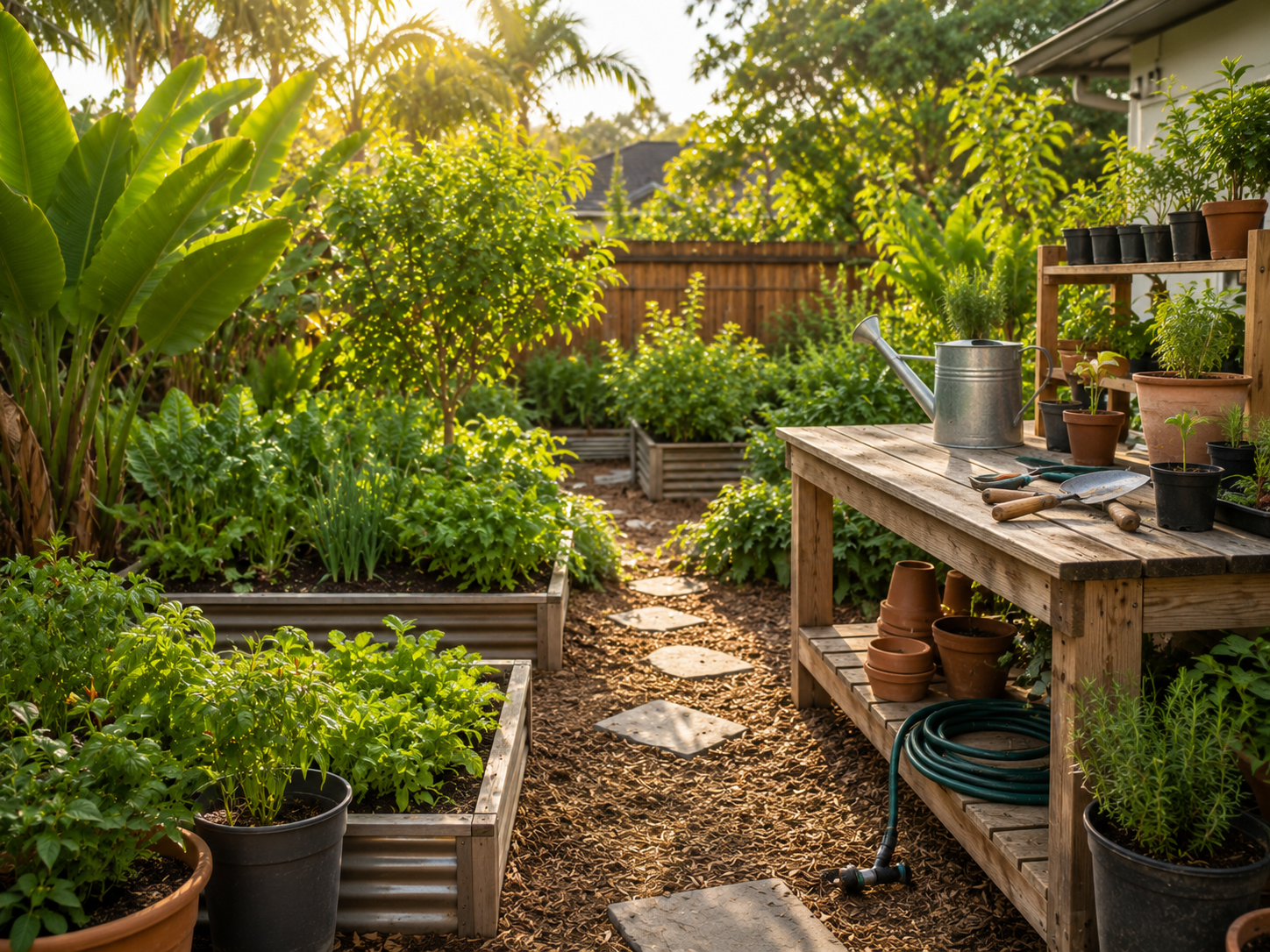
Starter Supplies
Use this when you need a short list of practical basics without overbuying.
Keep the path simple
Move from plan to plants in the right order
The site works best when the route stays clear: start with the beginner guide or learning hub, use supplies only when you are ready to set up, and use individual plant pages after the bigger yard plan starts to make sense.
Florida reality
What makes the yard different here
- sandy soil that needs mulch and organic matter
- summer humidity that punishes poor airflow
- storm exposure and occasional cold snaps
- suburban lots where appearance still matters
Best next pages
Keep moving without opening the whole site at once
Start Here
The main routing page for the site.
Beginner's Guide
A portable starting point for tropical edibles.
Florida Plant Directory
Compare plant profiles after the plan is clearer.
Tools Index
Move from reading to setup without overbuying.
About Tropicaire Homestead
A bounded Florida edible-yard knowledge base
Tropicaire Homestead is building a practical Florida knowledge base for edible landscapes, plant choice, and resilient yard systems.
Site posture
Fewer random topics, stronger pillars
The site is intentionally bounded so each page can connect back to the larger yard system.