Build the ground
Florida Sand Soil Strategy
Treat sand as a long-term system problem: moisture, mulch, organic matter, roots, and patience matter more than quick fixes.
Core reality
Build better zones, not perfect soil everywhere
Florida sand strategy is mostly about mulch, moisture, plant selection, and targeted improvement around the plants that matter most.
Do first
- Mulch consistently.
- Improve planting zones.
- Keep drainage in mind.
- Use plants to help build soil.
Florida sand is frustrating when you expect it to behave like rich garden loam.
It becomes manageable when you treat it as a system-building problem instead.
This page turns the old duplicate Zone 9 slot into the supporting soil-and-mulch strategy page the site actually needs.
The Core Reality
Florida sand usually:
- drains fast
- holds less nutrition
- heats up quickly
- dries unevenly
- improves slowly rather than instantly
That does not mean it is unusable.
It means your strategy has to be physical and layered.
1. Mulch Is the Main Lever
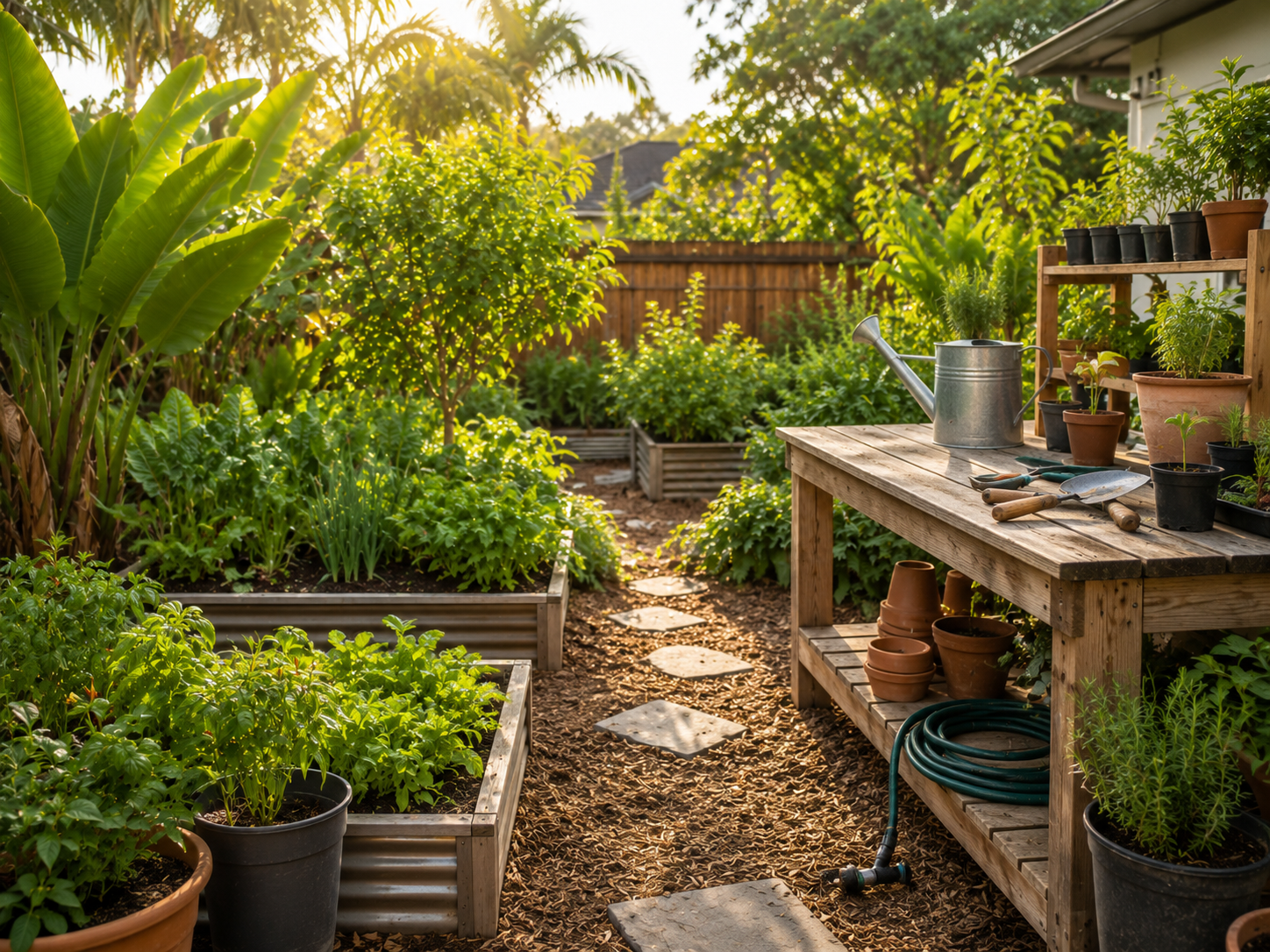
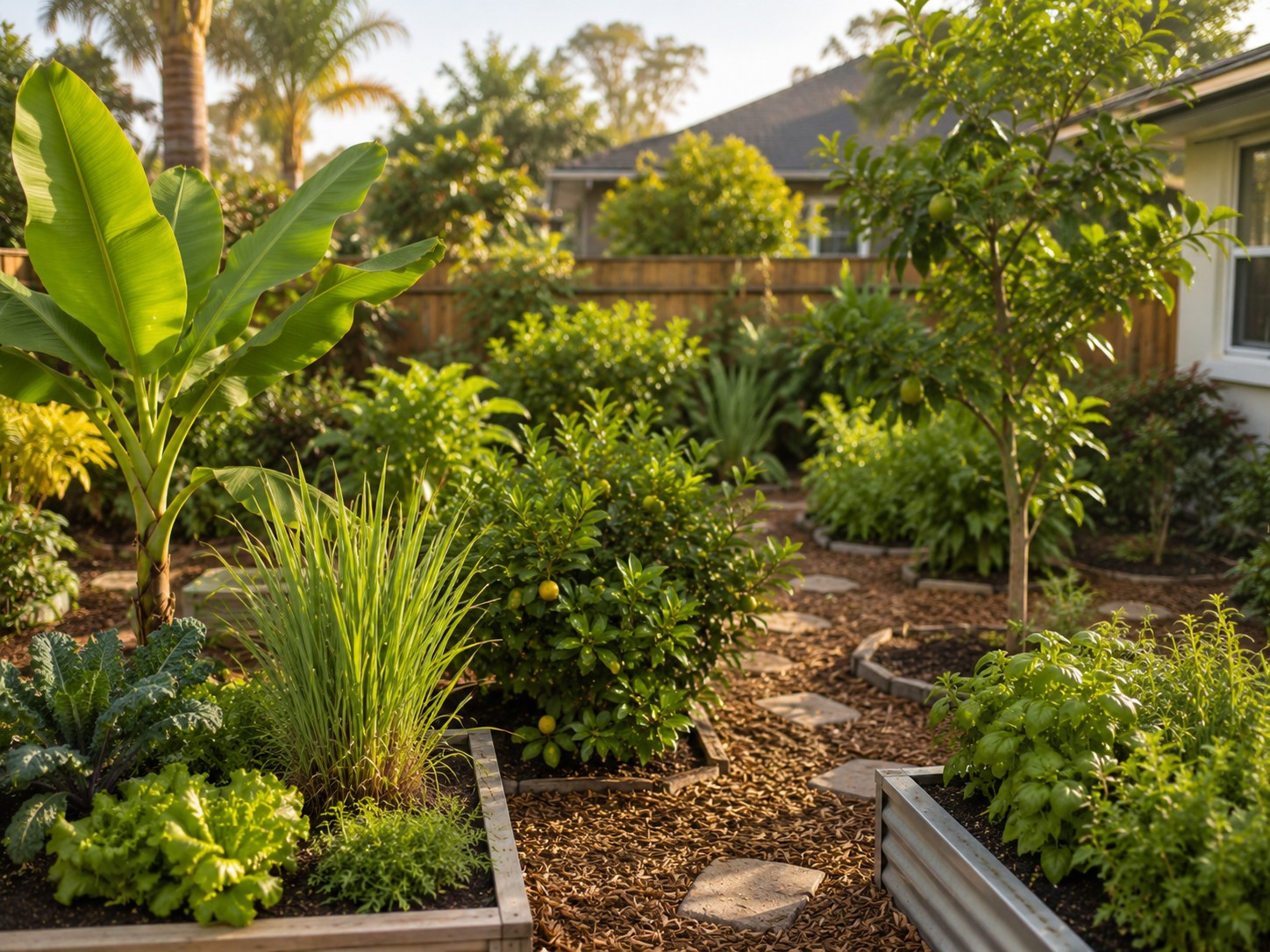
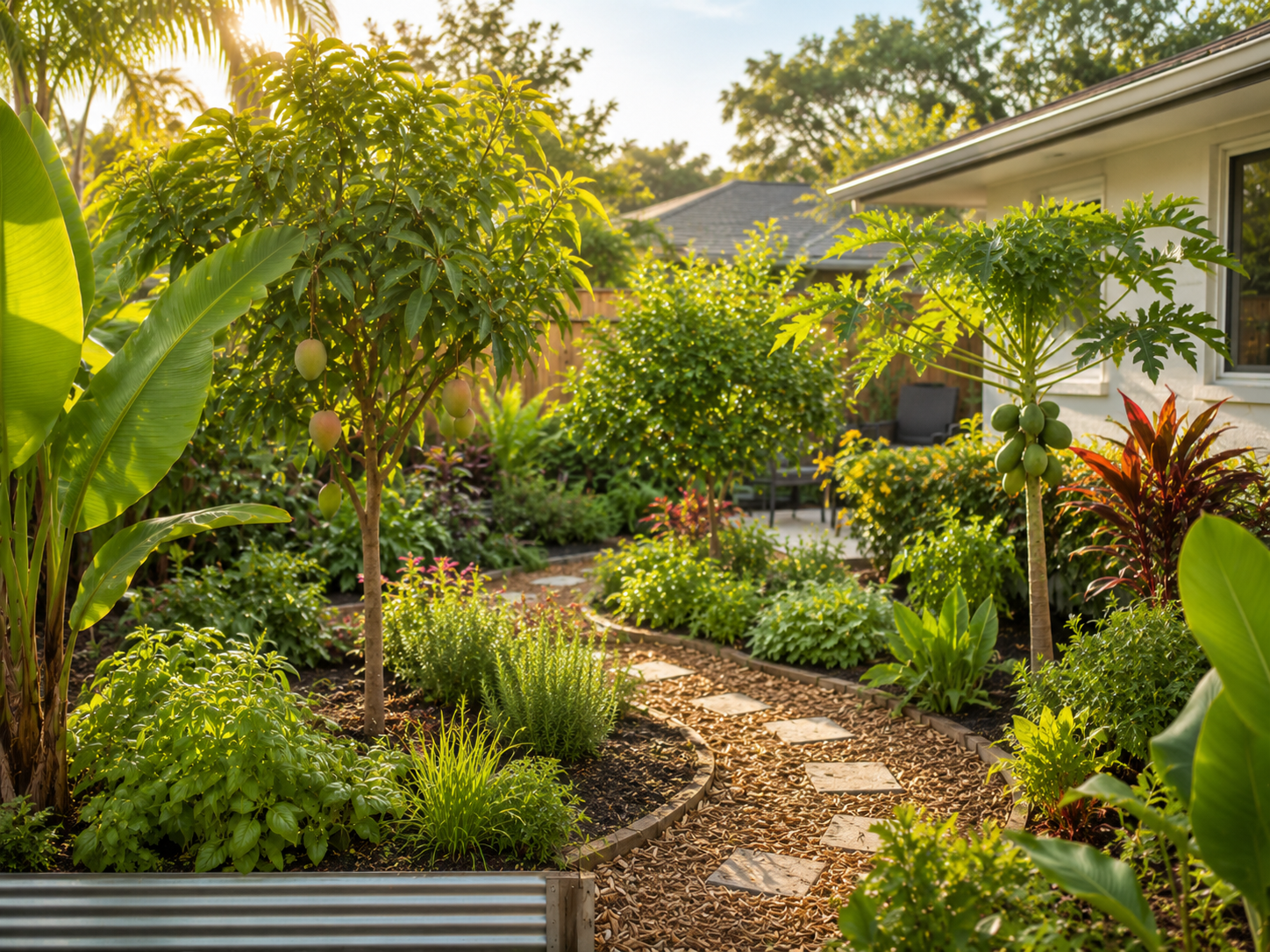
A deep, repeated mulch habit changes Florida sand more than most inputs.
Mulch helps by:
- reducing temperature swings
- slowing evaporation
- feeding soil life over time
- suppressing weeds
- making irrigation more efficient
If you are not sure what to fix first, refresh mulch.
2. Build Planting Zones, Not Perfect Soil Everywhere
You do not need to transform the whole yard at once.
It is more practical to build a few good zones:
- tree basins
- moisture zones for thirsty plants
- mulched borders and edges
- protected pockets where organic matter can accumulate
That approach scales better than trying to amend everything evenly.
3. Drainage Still Matters
Sand drains fast, but that does not guarantee good root conditions.
Compaction, low spots, and buried debris can still create root problems.
Observe after heavy rain.
If water sits, that spot needs a different strategy or different plant choice.
4. Use Plants to Help Build Soil
A Florida yard improves faster when plants are chosen for function, not just harvest.
Good helpers include:
- Pigeon Pea for biomass and support
- Sweet Potato for groundcover
- Lemongrass for edge definition
- Banana in moisture-favored pockets
The plants are part of the soil strategy.
5. Pair Soil Strategy With Climate Strategy
Soil alone does not determine success.
Read this page alongside:
Good Florida growing comes from matching soil, microclimate, and species choice.