Recovery mindset
Freeze Damage in Florida Food Forests
After a cold event, assess calmly, protect what is alive, delay drastic pruning, and use the lesson to improve the system.
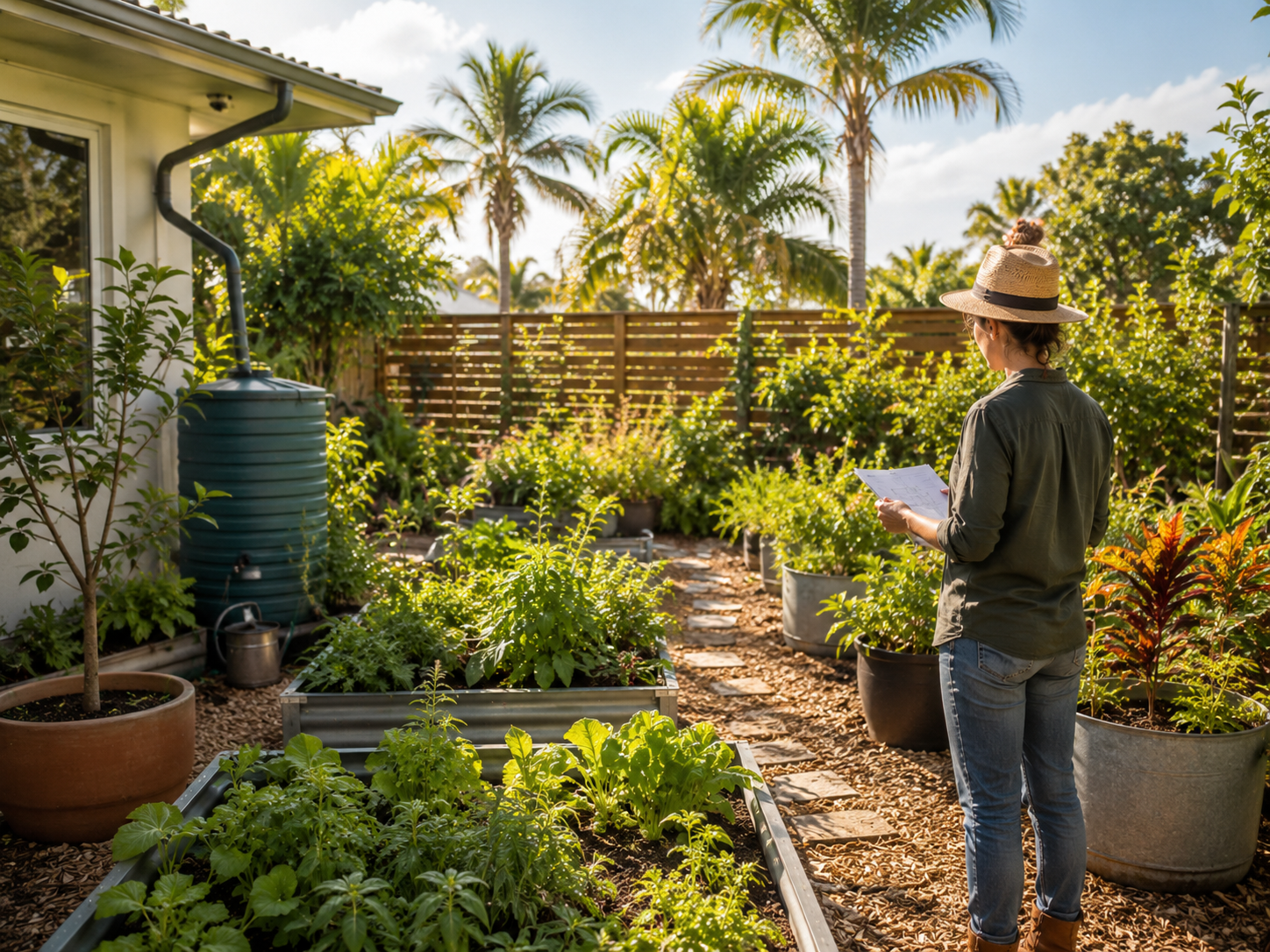
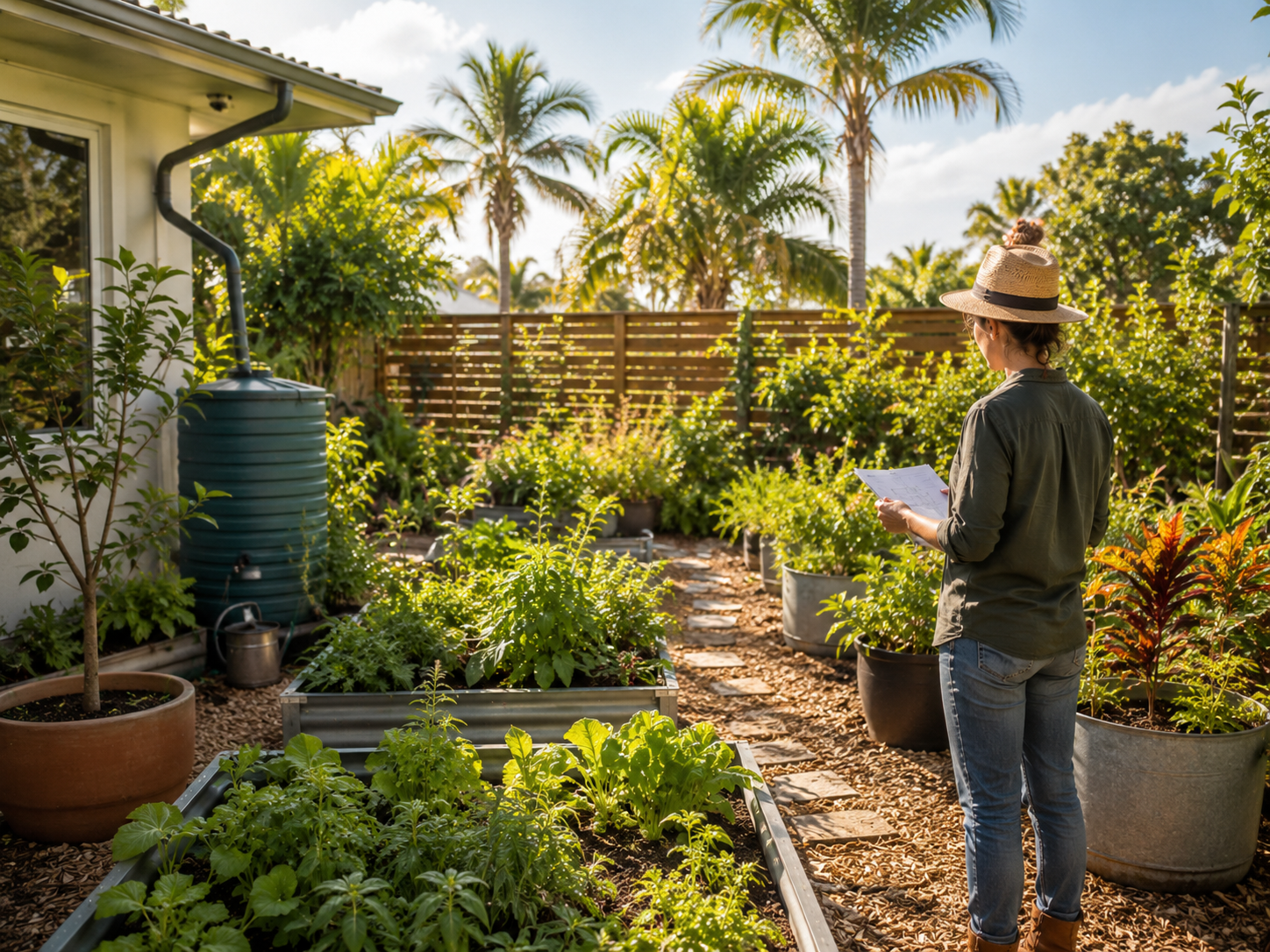
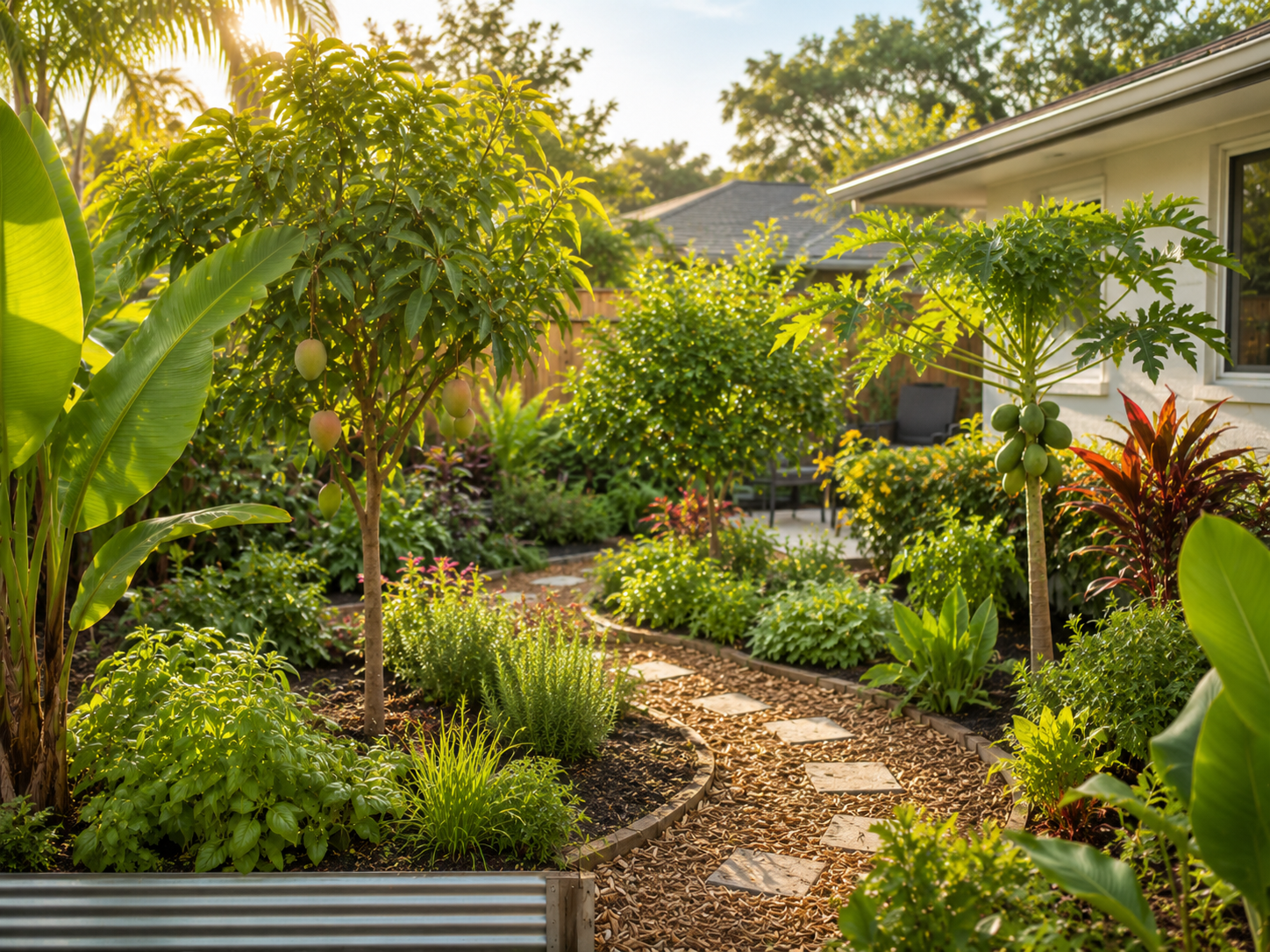
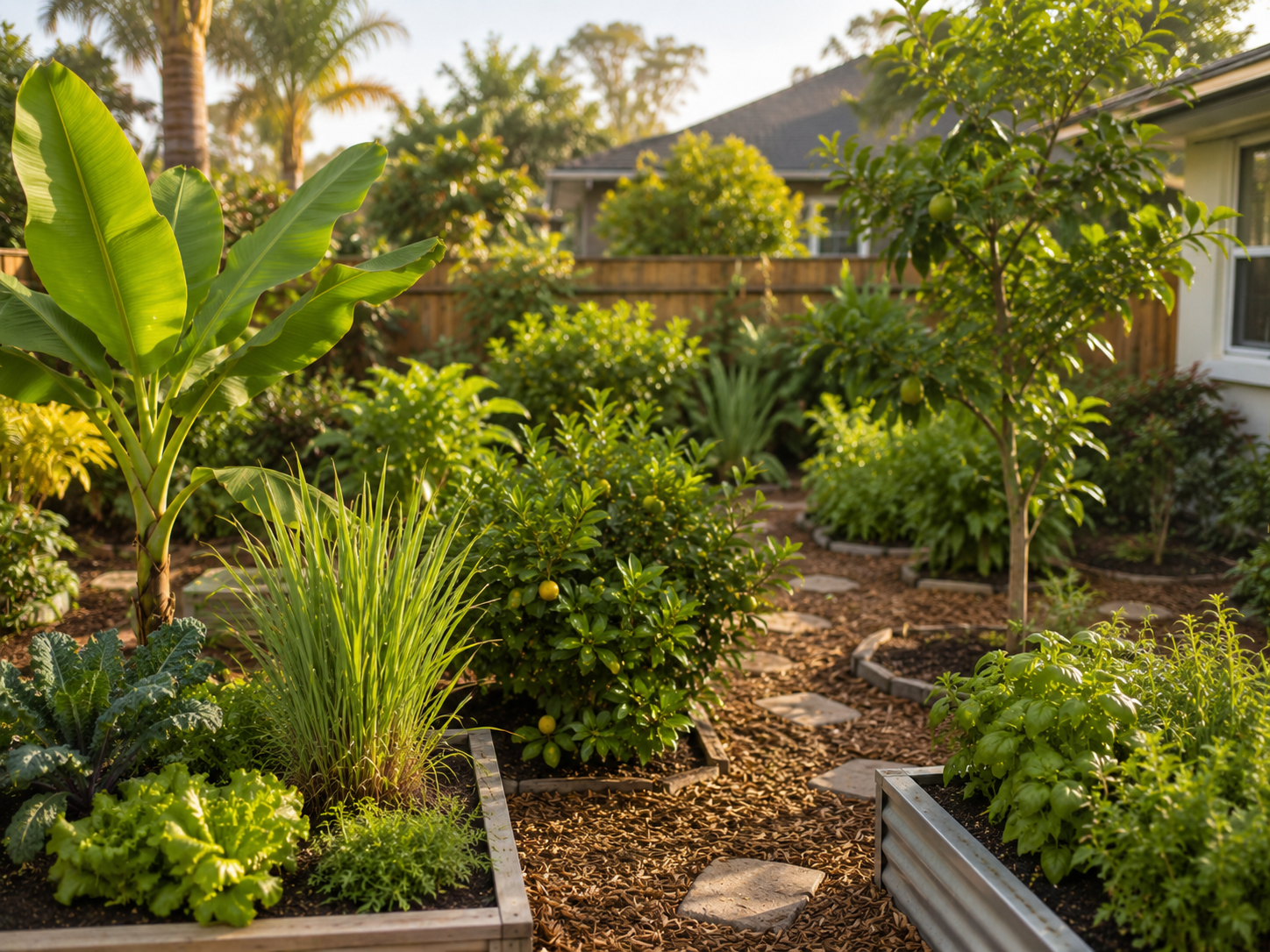
Recovery sequence
Do not turn one cold night into a full redesign
Wait before cutting, identify what actually died back, then prune and rebuild based on plant response.
Recovery lens
- Banana often resprouts from the mat.
- Mango needs protected siting.
- Loquat is more forgiving.
- Pigeon pea may need replacement.
Florida growers don’t fight winter every year — but when it hits, it hits unevenly.
The key mistake after a freeze is pruning too quickly.
Cold damage often looks worse than it is.
Step 1: Wait Before You Cut
Unless a branch is:
- split
- cracked
- structurally unsafe
- creating fungal entry risk
Wait.
Many tropical and subtropical plants will push new growth below damaged tissue once temperatures stabilize.
If you cut too early, you may remove viable wood.
What Freeze Damage Looks Like
Leaf burn:
- Brown edges
- Water-soaked black patches
- Limp leaves
Soft stem collapse (bananas, pigeon pea):
- Mushy stems
- Outer tissue sloughing
Woody plant dieback (mango, loquat):
- Tip browning
- Bark splitting
- Delayed bud break
Appearance alone does not tell the whole story.
Plant-by-Plant Freeze Response
Banana
Often looks destroyed.
Cut pseudostems back to firm tissue.
If the root system survived, recovery is usually strong.
→ See: Bananas in Florida
Mango
Young trees are more vulnerable.
Prune only after new growth indicates where live wood remains.
→ See: Mango in Florida
Loquat
Generally cold-tolerant, but flowers may be lost.
Structural damage is less common than bloom loss.
→ See: Loquat in Florida
Pigeon Pea
Often damaged in Zone 9 freezes.
Cut back aggressively once regrowth begins.
When To Prune
Wait until:
- New buds begin swelling
- You can clearly see the boundary between live and dead tissue
Then prune just below the damaged zone.
Use clean cuts. Avoid shredding bark.
Post-Freeze Recovery Strategy
- Refresh mulch layer
- Water consistently (not excessively)
- Avoid heavy fertilizer immediately
- Watch for fungal entry points
Recovery is a process measured in weeks, not days.
Florida Reality
Freeze events test:
- Microclimate placement
- Wind exposure
- Drainage
- Species selection
Each event teaches you something about your yard.
Design improves after stress.