Hibiscus sabdariffa
Roselle (Hibiscus) in Florida
Roselle is one of the most productive warm-season plants for Florida yards: fast growth, bold structure, and harvestable calyxes used for tea, syrups, and preserves.
In Florida, roselle is most reliable when treated as a seasonal crop with a timing plan—planting early enough to build size before flowering begins.
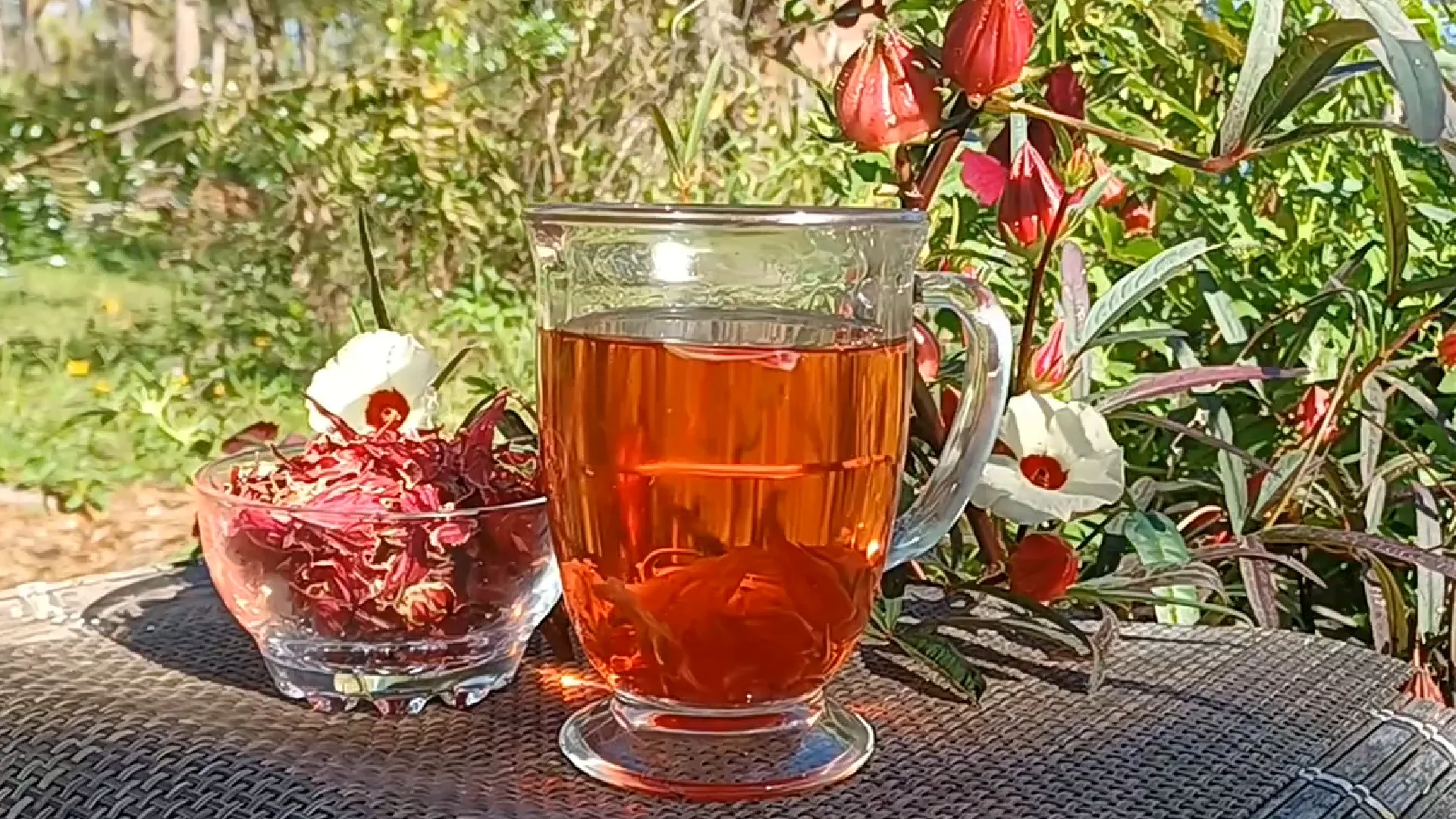
Quick Take
Best use: Calyx harvest for tea and preserves; attractive edible landscape plant.
Florida advantage: Loves heat and humidity.
Main risk: Planting too late and not getting enough mature growth before flowering.
Planting and Timing
Roselle grows vegetatively first, then begins flowering as days shorten.
Field strategy: plant early enough to build a strong plant before the flowering trigger.
Site Selection
- Full sun gives best yields.
- Provide spacing for airflow (Florida humidity).
- Mulch helps stabilize moisture in sandy soil.
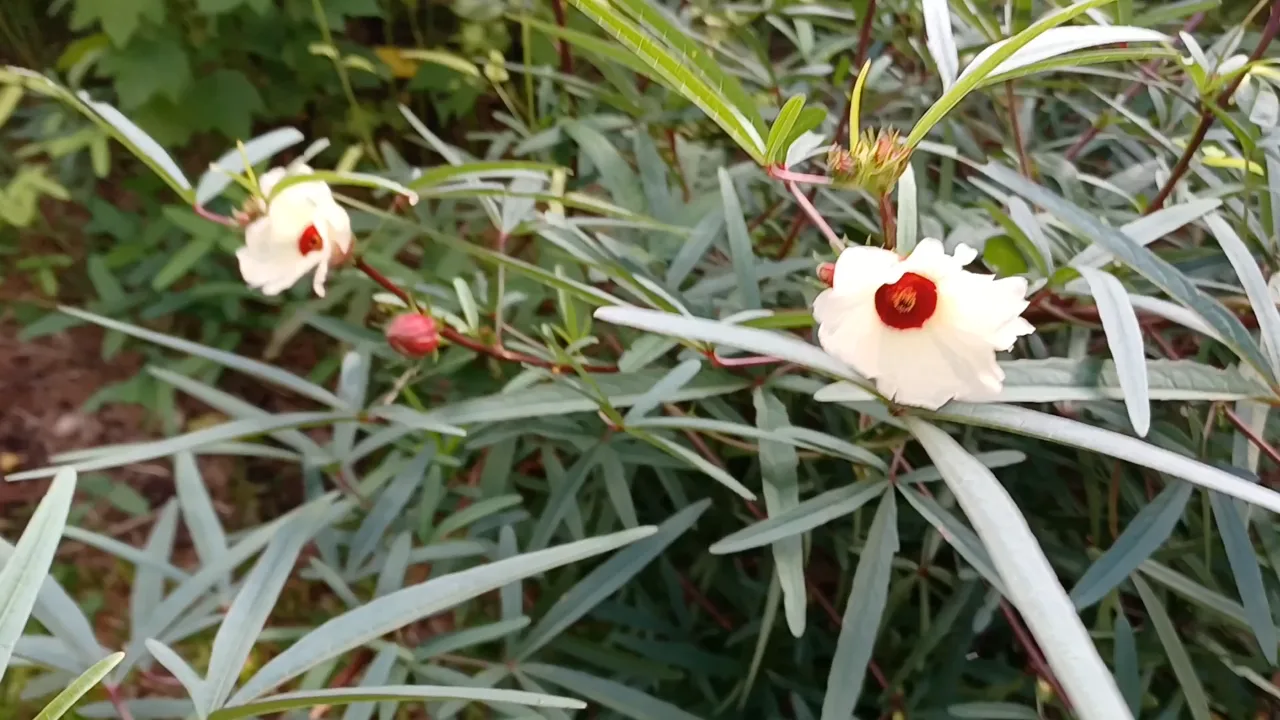
Watering
Roselle likes consistent moisture during establishment. Once established, it tolerates heat well but yields improve with steady watering during dry spells.
Harvest
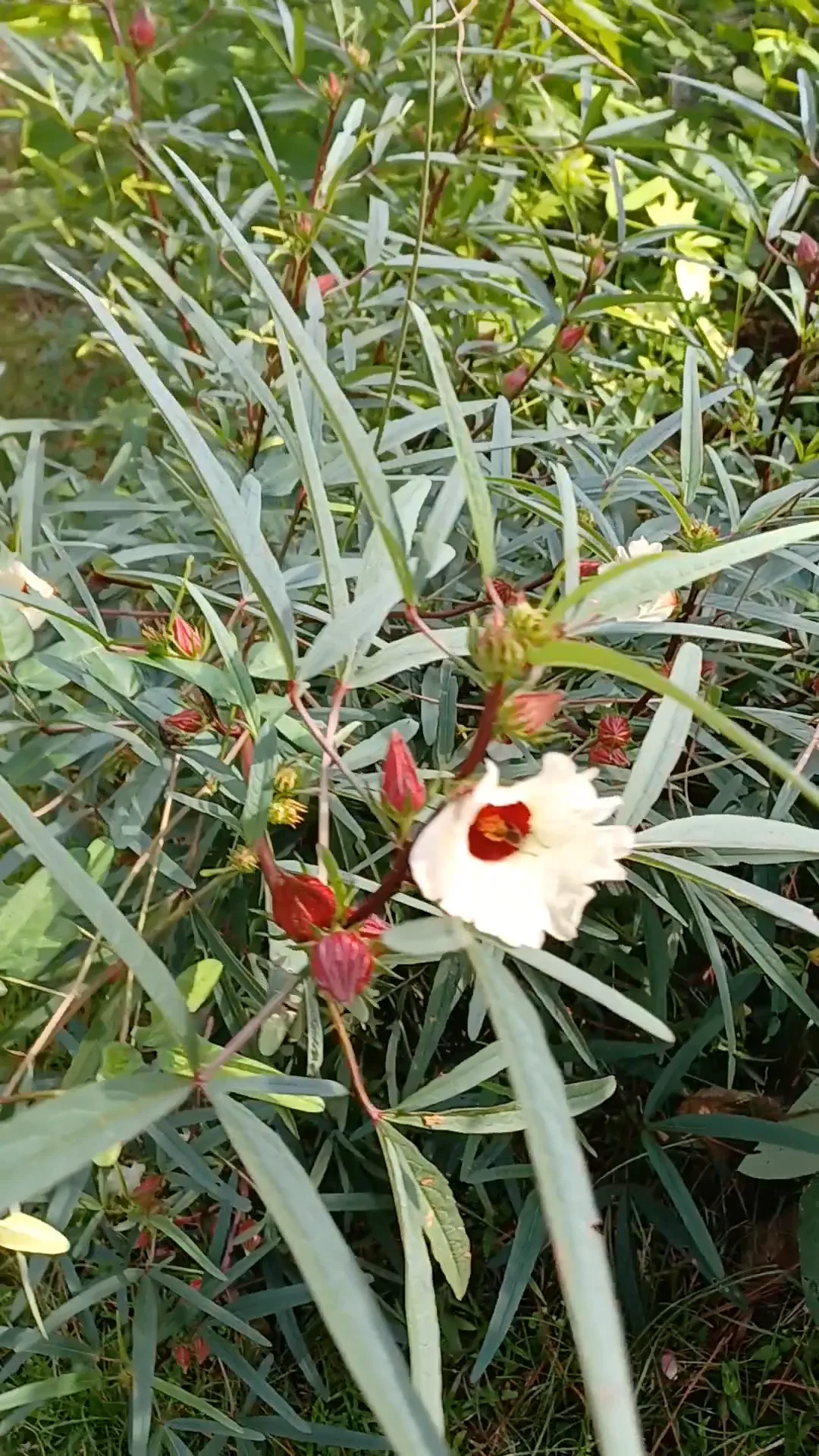
You harvest the fleshy calyx after the flower drops and the seed pod forms.
Practical tips: - harvest regularly to keep quality high - plan for drying if you want storage - keep harvested material clean and well-ventilated
Common Issues
- weak growth from poor soil → add compost + mulch
- late planting → smaller yields
- pest nibbling on tender growth → usually manageable with healthy vigor